Supporting children and families to move, play and be active as part of everyday life starts with the people who work with them.
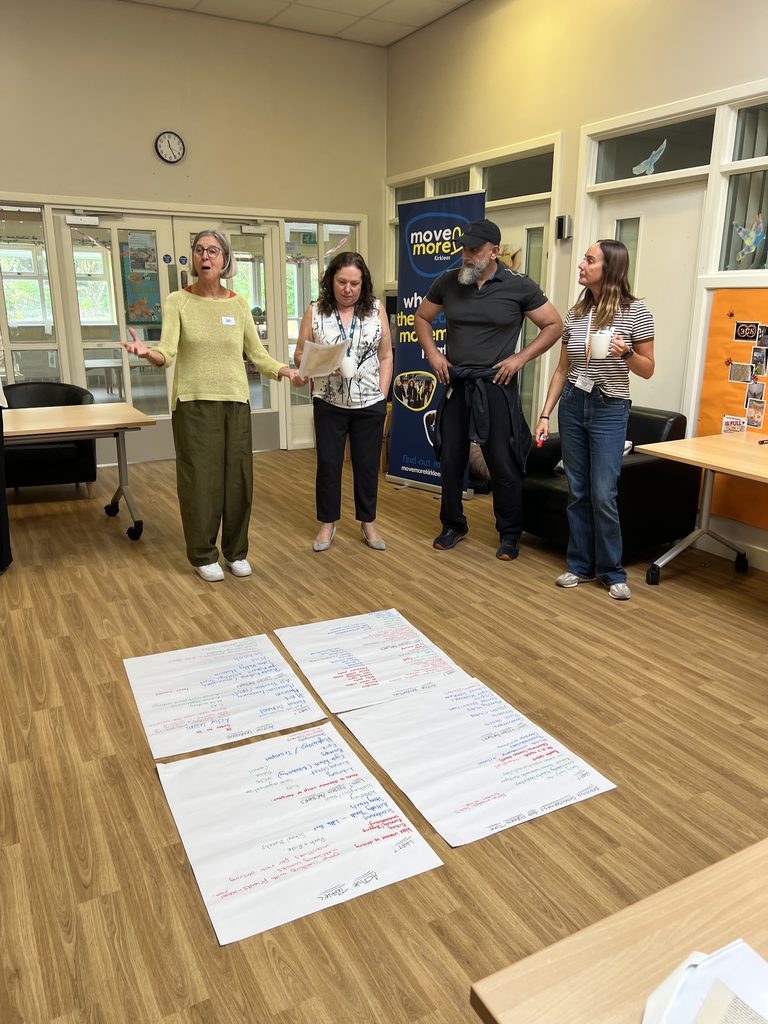
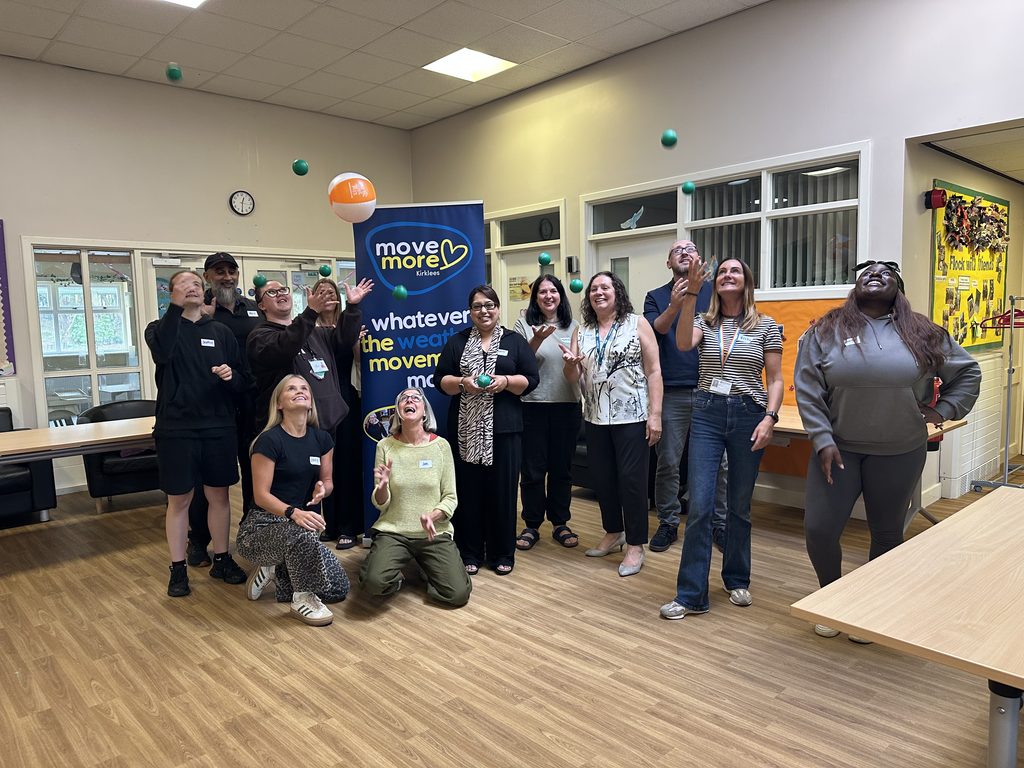
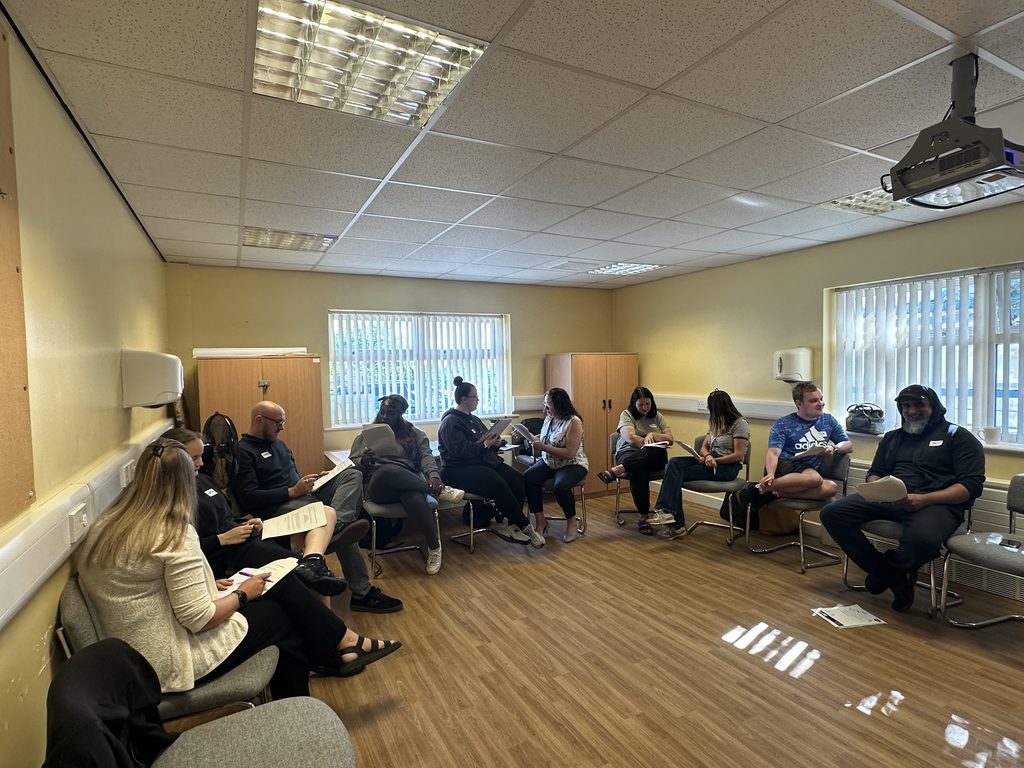
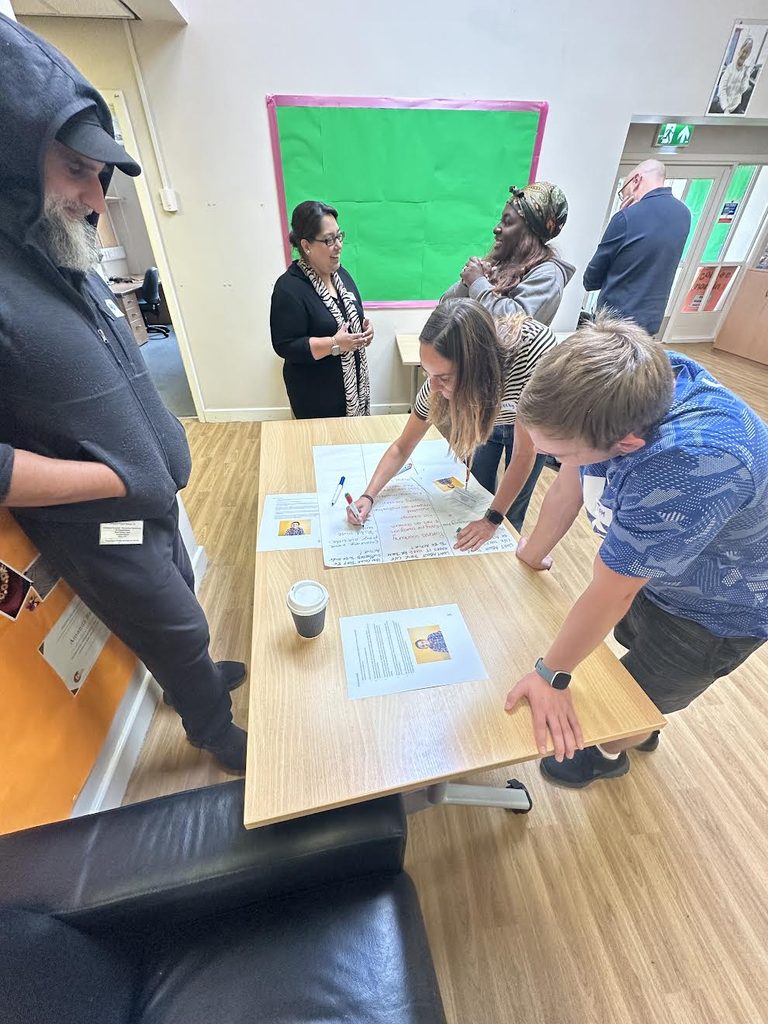
In August, Move More Kirklees worked with Bradford’s JU programme to deliver our first Children and Families Physical Activity Training. The two-day course brought together 12 people from a range of roles, including play and youth workers, nursery practitioners and family navigators.
The training was designed to give staff and volunteers the knowledge, skills and confidence to support children and families to move and play more, with a focus on practical approaches that can be built into their everyday roles and settings.
From learning to doing
Across the two days, participants explored the benefits of physical activity for children and families, as well as some of the barriers and inequalities that can make being active more difficult.
There was plenty of opportunity to share experiences, learn from each other and consider what physical activity can look like in different settings and communities.
Towards the end of the second session, participants began putting their learning into action through individual action planning. This gave everyone the opportunity to think about how they could use their learning in their own role and make physical activity part of their everyday work.
A boost in knowledge, skills and confidence
We asked participants to rate their own knowledge, skills and confidence before and after the training.
The results showed a clear positive shift across all three areas:
| Before training | After training | Improvement | |
|---|---|---|---|
| Knowledge | 6.22/10 | 9.00/10 | +45% |
| Skills | 6.00/10 | 8.67/10 | +44% |
| Confidence | 6.22/10 | 8.78/10 | +41% |
These are encouraging results and provide evidence that targeted workforce development can increase people’s knowledge, skills and confidence to promote physical activity through the roles they already have.
Taking the learning back into everyday work
Participant feedback highlighted the value of making the training practical and relevant to day-to-day work.
Asif, a Play and Youth Worker at Crow Nest Adventure Playground, said:
“The training was informative, engaging and well delivered. It highlighted both the benefits of physical activity and the challenges and inequalities that can affect participation.”
He also highlighted the value of the action planning, follow-up support, useful contacts and resources in helping him apply the learning in his own practice.
For Kayla, a Nursery Assistant, the training has given her ideas she can use directly with families:
“I’ll be able to create different things to help the parents keep children active.”
Nicola, a Referral Service Officer, reflected on the wider importance of physical activity for children:
“The importance physical activity has on children’s development and growth and therefore it should be more important than it actually is.”
Creating change through the workforce
Encouraging children and families to be more active isn’t just about telling people to exercise more. It’s about creating opportunities for movement and play that fit naturally into everyday life, while understanding the different barriers people can face.
The people who already have trusted relationships with children and families have an important role to play. By building their knowledge, skills and confidence, we can support more people to have conversations about physical activity, create opportunities to move and play, and make small changes that can become part of everyday life.
Our first Children and Families Physical Activity Training is just the start. We’ll be following up with the group to see how their action plans develop, what difference the training makes in practice and what we can learn for future sessions.